Reviewing An Empty Design of Applique in Circle
As an embroidery designer who has spent countless weekends standing behind booth tables, I have learned that not every digital file translates into a bestseller. We often get caught up in the complexity of a stitch pattern, forgetting that the customer at a craft fair sees the product from three feet away. They do not see the thread count; they see the vibe. Recently, I pulled An Empty Design of Applique in Circle from my library to test its viability for my upcoming market season. This is not just a technical review; it is a real-world assessment of how this specific machine embroidery design performs when turned into tangible goods.
First Impressions and Aesthetic Appeal
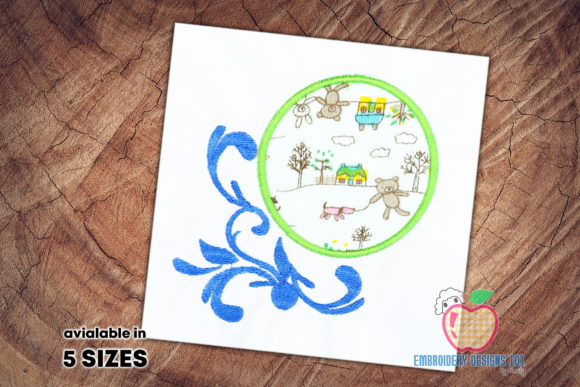
The title itself, An Empty Design of Applique in Circle, suggests a minimalist approach. In the world of Borders and decorative Embroidery, negative space is a powerful tool. My first impression was that this design feels modern, clean, and versatile. It does not scream for attention with chaotic details; instead, it offers a structured frame that invites customization. For a handmade shop owner, this is gold. It allows the fabric choice to take center stage while providing a professional, finished look that elevates a simple item into a premium handmade product.
The circular shape is inherently pleasing to the eye, suggesting unity and completeness. When I visualized this on a tote bag or a pillow cover, it felt balanced. It is not overly rustic, nor is it strictly industrial. It sits comfortably in a contemporary farmhouse or modern minimalist aesthetic, which are currently dominant trends among Etsy sellers and boutique makers.
Product Versatility and Market Fit
The true test of any digital embroidery file is its adaptability. I evaluated where An Empty Design of Applique in Circle would stand out in a crowded marketplace. Here is how it performs across various categories:
- Tote Bags: This is perhaps the strongest application. The circular applique serves as a perfect focal point for a canvas tote. It is large enough to be seen from a distance but simple enough not to overwhelm the bag’s utility. As a tote bag design, it allows for easy personalization inside the circle.
- Aprons and Tea Towels: For kitchen textiles, the design adds a touch of elegance without being too fussy. Apron embroidery benefits from durable stitches, and since this is an applique, it reduces bulk. Tea towel embroidery requires careful handling due to fabric texture, but the open nature of the design prevents the towel from becoming stiff.
- Patches and Pouches: If you are selling embroidered patches, this shape is ideal for iron-on applications. It also works beautifully on small fabric pouches, acting as a branded element that looks intentional and high-quality.
- Caps and Pillows: While possible, curved surfaces like caps require precise hooping. The circular design must be centered perfectly to avoid distortion. On pillow covers, it acts as a sophisticated accent that complements rather than dominates the room’s decor.
Production Practicality for Small Shops
For those of us running a small shop product line, time is money. The description notes that An Empty Design Of Applique In Circle applique comes with multiple embroidery file formats and steps separated by color. This is crucial for efficiency. Color-separated steps mean less manual trimming and fewer thread breaks during production. It simplifies the workflow, allowing for batch production of items like market bags or gift sets.
Photography is another critical factor. This design photographs exceptionally well because of its clear lines and contrast potential. When creating a printable mockup or listing images for your online store, the circular frame provides a natural boundary that draws the viewer’s eye. It looks professional in design assets and helps maintain brand consistency across your social media and website.
Careful-Use Notes and Technical Considerations
While the design is user-friendly, there are practical constraints to consider before you start stitching hundreds of units. Because this is an applique, the stability of the base fabric matters. On thick fabrics, ensure your needle is sharp enough to penetrate without causing puckering. On textured towels, the applique fabric must contrast sufficiently with the towel weave to remain visible.
Be mindful of stitch density around the edges of the circle. If the satin stitch border is too dense for lightweight fabric, it may cause pulling. Always test on scrap fabric first. Additionally, if you plan to use this on dark fabrics, choose light-colored applique fabrics to maintain visibility. The "empty" center is a feature, not a bug, but it means the surrounding stitch work must be flawless, as there is no clutter to hide imperfections.
Since the product description states it can be used in multiple embroidery machines, compatibility is broad. However, always verify the hoop size requirements against your machine’s capabilities. Do not assume; check the specific file details provided by the designer to ensure the design fits within your standard hoops without resizing, which can distort stitch quality.
Enhancing Visual Appeal and Buyer Engagement
In a craft fair setting, customers are drawn to clarity. An Empty Design of Applique in Circle offers immediate visual comprehension. It does not require explanation. This clarity boosts perceived value. A clean, well-executed applique signals high-quality craftsmanship, distinguishing your craft fair product from mass-produced imports. It enhances the finished product by adding texture and dimension without overwhelming the item’s function.
For commercial embroidery purposes, this design is a safe bet for corporate gifts or boutique branding. The empty center can be left blank for a minimalist look or filled with a monogram, making it highly customizable for clients. This flexibility increases buyer engagement, as customers love seeing their own initials or names integrated into a professional design.
Final Designer Recommendations
Before committing to a full production run, follow these steps to ensure success with An Empty Design of Applique in Circle:
- Test on Scrap Fabric: Run the design on the exact fabric type you intend to sell. Check for puckering or thread breaks.
- Check Thread Contrast: Ensure the applique fabric and thread colors stand out against the base material. High contrast sells better in photos.
- Review Spacing and Density: Inspect the stitch density settings. Adjust if necessary for delicate fabrics.
- Use the Right Stabilizer: Appliques require stable backing. Use a cut-away stabilizer for stretchy fabrics and tear-away for woven materials.
- Create Real Mockups: Do not rely solely on digital previews. Stitch one physical sample to photograph for your listings.
- Confirm Licensing: Although the design supports multiple machines, always confirm the commercial licensing terms included with the digital embroidery file before selling finished products.
In conclusion, An Empty Design of Applique in Circle is a strategic addition to any embroidery designer’s library. It balances aesthetic appeal with production efficiency, making it an excellent choice for Etsy sellers and craft fair vendors looking to elevate their handmade product offerings. By focusing on clean lines and versatile application, this design helps create items that are not only beautiful but also commercially viable.