Reviewing Baby Gingerbread Rudolph for Boutique Sweatshirts
As an embroidery designer who has spent years refining digitizing techniques for small clothing brands, I approach every new machine embroidery design with a critical eye. It is not just about whether the image looks cute on a screen; it is about how it translates to fabric, how it withstands washing, and whether it elevates the perceived value of the garment. Recently, I evaluated Baby Gingerbread Rudolph for a potential limited-edition sweatshirt drop for a boutique client. The goal was simple: create a cozy, festive piece that feels premium rather than mass-produced. Here is my professional breakdown of how this design performs in a real-world commercial setting.
First Impressions and Aesthetic Mood
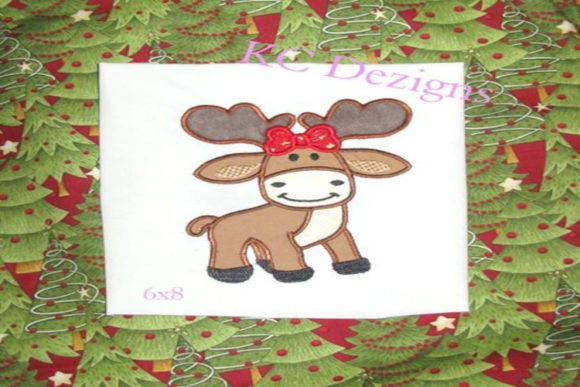
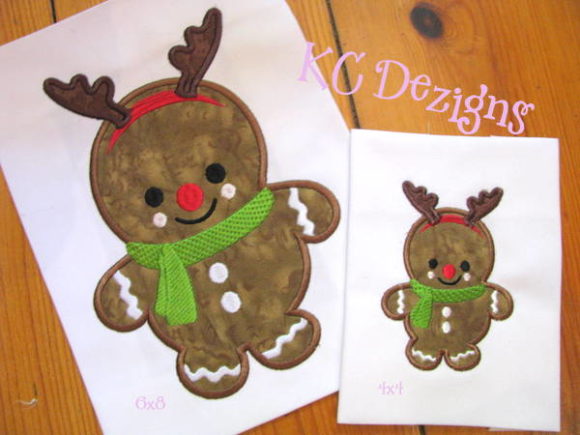
The initial visual impact of Baby Gingerbread Rudolph is undeniably charming. It strikes a balance between playful and rustic, which is a difficult combination to achieve without looking cluttered. For a Christmas project, avoiding the trap of overly bright, neon-like colors is crucial for maintaining a high-end aesthetic. This design leans into a warmer, more nostalgic palette. When I visualize this on a neutral oatmeal or cream-colored sweatshirt, the contrast is soft yet distinct. It does not scream for attention; instead, it invites a closer look.
The layout appears well-balanced, suitable for various placements. While many sellers might default to a large back print, I see significant potential for this design as a left-chest emblem on an oversized hoodie. This placement suggests a subtle, sophisticated brand identity rather than a loud holiday statement. The "baby" aspect of the title implies softer lines and perhaps a slightly simplified silhouette, which is beneficial for readability on textured fabrics like fleece or French terry.
Fabric Compatibility and Technical Execution
One of the most important aspects of reviewing an embroidery file is understanding its interaction with different materials. Since this is described as a machine applique design, the technical requirements shift significantly from standard fill-stitch designs. Applique is excellent for sweatshirt embroidery because it reduces the overall stitch count and bulk, preventing the dreaded "puckering" effect that can ruin a premium garment.
However, as a designer, I must caution fellow crafters and Etsy sellers to pay close attention to the details not explicitly listed in the brief description. You will need an embroidery machine and appropriate software to use this design. Before running a production batch, you must verify the recommended hoop size and check if the file includes the necessary cut lines for the applique fabric. Without these specifics, you risk misalignment during the stitching process.
When working with dark fabric, such as charcoal or navy blue hoodies, the choice of applique fabric becomes critical. A light gingerbread-toned fabric will pop beautifully against the dark background, but ensure your thread colors for the outlining stitches have enough contrast. If the outline thread is too similar to the applique fabric, the definition of Rudolph’s features may get lost. On pastel colors, the design feels feminine and soft, perfect for a younger demographic or a gentle, minimalist holiday collection.
Stabilizer and Stitch Density Considerations
Even with applique, the stability of the final product depends on your foundation. For heavy sweatshirts, a cut-away stabilizer is generally recommended to support the weight of the garment and prevent distortion over time. Since we are aiming for a commercial embroidery quality finish, do not skimp on stabilizer quality. The stitch density of the satin borders around the applique pieces must be tight enough to cover the raw edges of the fabric but not so dense that it creates a hard, scratchy feel against the skin. Comfort is key for wearable art.
I also recommend testing the design on a scrap piece of your actual inventory fabric. Fabric texture varies wildly between suppliers. A smooth cotton blend will behave differently than a brushed fleece. This test run will help you determine if you need to adjust tension settings or change needle types to prevent skipped stitches or thread breaks.
Commercial Viability and Brand Identity
For small shop owners, the right design can define a season. Baby Gingerbread Rudolph offers versatility that can enhance brand identity. It is not just a holiday motif; it is a design asset that can be used across multiple product lines. Imagine this design on tote bags, beanies, or even as a patch on denim jackets. This cross-product consistency builds visual recognition and customer trust.
From a marketing perspective, this design lends itself well to lifestyle product photography. The cozy, handmade vibe aligns perfectly with the current consumer desire for authentic, handmade products. When creating listings for your online store, use high-quality images that show the texture of the embroidery. Close-up shots of the satin stitching and the clean edges of the applique will convince buyers of the quality before they even touch the item.
Furthermore, using a unique design like this helps differentiate your custom apparel from the sea of generic print-on-demand items. It signals to the customer that care and craftsmanship went into the creation of their garment. This perceived value allows for a higher price point, which is essential for sustaining a small boutique brand.
Practical Tips for Production
To ensure the best results with Baby Gingerbread Rudolph, consider the following workflow:
- Pre-wash your garments: This prevents shrinkage after embroidery, which can distort the design.
- Check file formats: Ensure your machine reads the specific digital embroidery file format provided. Common formats include PES, DST, or JEF, but this varies by manufacturer.
- Test wash durability: Wash and dry your test sample multiple times to ensure the applique fabric does not fray and the threads do not loosen.
- Optimize hoop placement: For chest logos, measure carefully from the shoulder seam and center front to ensure consistent placement across all units.
Remember, this design is just perfect for your Christmas projects, but its appeal can extend beyond December if styled correctly. By pairing it with neutral tones and focusing on high-quality execution, you create a piece that feels timeless rather than trendy.
Final Verdict for Designers
In conclusion, Baby Gingerbread Rudolph is a strong contender for any designer looking to add a touch of whimsical warmth to their winter collection. It requires careful attention to technical details, particularly regarding applique preparation and stabilizer choice, but the payoff is a professional, durable, and visually appealing finished product. For the small shop product lineup, it offers the right mix of cuteness and sophistication. Just ensure you have the appropriate software and machine capabilities before committing to a large run. With proper execution, this design can become a standout seller in your holiday inventory, driving engagement and boosting your brand’s reputation for quality craftsmanship.