Reviewing the Comic Style Light Bulb for Real Projects
As a designer who has spent years digitizing and testing machine embroidery design files, I have learned that visual appeal on a screen does not always translate to quality on fabric. When I first opened the Comic Style Light Bulb file, my immediate reaction was one of cautious optimism. The bold lines and playful aesthetic suggest a fun, energetic vibe, but the true test lies in how those shapes hold up under the needle. This review breaks down the practical realities of using this design in a professional or serious hobbyist setting, moving beyond marketing fluff to discuss stitch behavior, fabric compatibility, and commercial viability.
First Impressions and Visual Personality
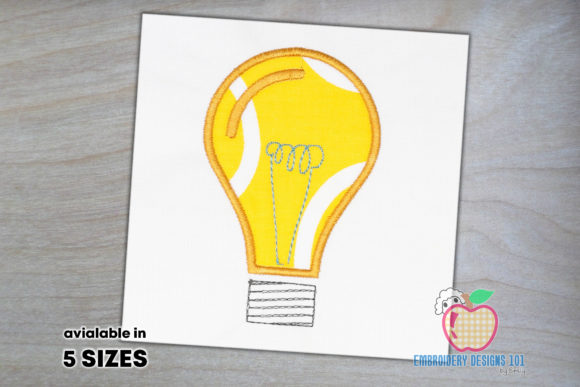
The Comic Style Light Bulb relies heavily on thick outlines and simplified internal details, mimicking the aesthetic of vintage comic books or pop art. This is a smart choice for embroidery because intricate shading often gets lost in thread. Instead, the design uses shape and contrast to create impact. The mood is lighthearted and creative, making it an excellent fit for projects that aim to inspire or add a touch of whimsy. It does not try to be realistic; it tries to be iconic. For a House decor item or a personal accessory, this distinction matters. It signals creativity without demanding hyper-realism, which can sometimes look messy if the digitizing is poor.
In terms of layout, the design appears balanced. The separation of steps by color changes, as noted in the product description, suggests a logical stitching order. This is crucial for minimizing jumps and trims, which speeds up production time for small business owners. However, the "comic" style implies sharp angles and potentially dense fill areas. My primary concern with any graphic-style embroidery file is whether the corners will remain crisp or if they will bunch up due to excessive stitch density.
Real-World Application: The Tote Bag Test
To evaluate this design properly, I imagined a common scenario for many Etsy seller accounts and craft entrepreneurs: creating a custom tote bag design. Canvas is a sturdy, textured fabric that can chew up delicate designs, but it handles bold graphics well. If I were stitching the Comic Style Light Bulb onto a natural cotton canvas tote, the thick outlines would provide necessary structure. The design would stand out clearly against the neutral background, especially if I chose high-contrast thread colors like black or navy for the outline and bright yellow or white for the bulb interior.
This application highlights the design’s strength as a personalized gift or boutique merchandise. It is simple enough to be recognized from a distance but detailed enough to show quality craftsmanship. For a small shop product, this kind of clarity is essential. Customers browsing online need to see a clear image, and the comic style lends itself well to printable mockup creation because the shapes are distinct and easy to visualize on various backgrounds.
Fabric Considerations and Stitch Behavior
While the design works well on stable fabrics like canvas or denim, caution is needed when applying it to stretchy or thin materials. The Comic Style Light Bulb likely utilizes a combination of satin stitch for borders and fill stitch for the interior. On a lightweight t-shirt or baby clothing, this density could cause puckering if not properly supported. I would strongly recommend using a cut-away stabilizer for knit fabrics to prevent distortion after washing. For woven fabrics like tea towels or aprons, a tear-away stabilizer might suffice, but testing is non-negotiable.
Another critical factor is the hoop size. Although the product description mentions multiple formats, it does not specify exact dimensions. Before committing to a large batch of custom apparel or embroidered patch production, you must check the specific file version you download. If the design is too large for a standard 4x4 hoop, you may need to resize it, which can alter stitch density and cause thread breaks. Always inspect the design at 100% zoom in your software to ensure the smallest details are not too fine for your machine’s capabilities.
Commercial Viability and Brand Consistency
For commercial embroidery professionals, consistency is key. The Comic Style Light Bulb offers a versatile asset that can fit into various niches, from teacher appreciation gifts to startup branding. Its generic yet stylish nature allows it to serve as a standalone motif or part of a larger composition. However, because it is a popular theme, differentiation comes from execution. Using unique thread combinations or pairing it with complementary text can elevate the finished product from generic to premium.
When selling digital embroidery file products or finished goods, transparency about the design’s limitations builds customer trust. If you are an craft business owner, consider offering this design on items that showcase its boldness, such as dark-colored sweatshirts where the light bulb motif can "glow" through bright thread choices. Avoid using it on highly textured fabrics like heavy wool or looped towels, where the fine details of the comic style might get lost in the pile.
Practical Designer Notes
Before running this design on a client’s garment, follow these steps to ensure professional results:
- Test on scrap fabric: Always stitch a sample on the same material and weight as your final project to check for puckering or thread breaks.
- Check color contrast: The comic style relies on clear separation between elements. Ensure your thread choices provide enough contrast to maintain the visual impact.
- Verify licensing: The description states the design comes in multiple formats for various machines, but it cuts off regarding usage rights. Confirm whether the license allows for unlimited commercial sales of finished items before listing them in your small shop product inventory.
- Inspect stitch density: Look for areas where stitches overlap excessively. If the design feels stiff after stitching, consider adjusting the pull compensation or density in your editing software if you have the skills, or choose a lighter fabric weight.
- Mockup in black and white: Remove color from your digital preview to see if the shape holds up without hue assistance. A strong design should be recognizable in monochrome.
The Comic Style Light Bulb is a solid addition to a designer’s library, particularly for those focusing on fun, modern, and graphic-heavy Embroidery projects. It is not a delicate, heirloom-style piece, but rather a robust, eye-catching motif designed for everyday items. By respecting its structural needs and choosing the right fabrics, you can create high-value handmade product listings that resonate with buyers looking for cheerful, well-crafted goods. Whether for holiday embroidery gifts or year-round baby embroidery items, this design performs best when treated with the precision it deserves.