Chain Blue Border: A Designer’s Review for Small Business Merch
As an embroidery designer who has spent years digitizing and testing files for commercial use, I approach every new machine embroidery design with a critical eye. It is not enough for a pattern to look pretty on a screen; it must perform under the needle, survive industrial washing, and elevate the brand it represents. Today, I am reviewing Chain Blue Border, a digital asset that promises versatility for small business owners, apparel decorators, and handmade brands looking to refine their visual identity.
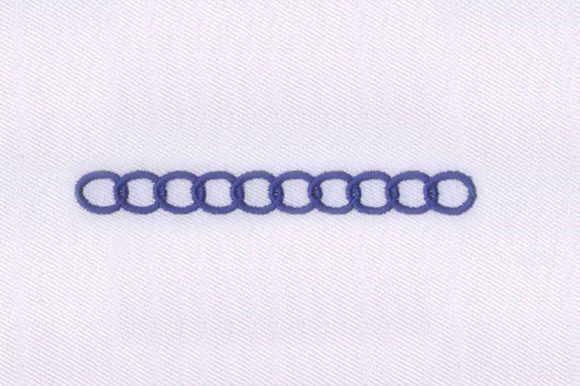
The first impression of Chain Blue Border is one of structured elegance. The name suggests a classic chain stitch motif, which inherently carries a handmade, artisanal quality. In the world of Fashion and Embroidery, chain stitches are prized for their texture and dimensional appeal. This design does not scream for attention with loud graphics; instead, it offers a refined border element that feels professional, friendly, and slightly rustic. For a boutique owner or a creative studio, this aesthetic bridges the gap between premium craftsmanship and approachable charm.
Real-World Applications for Branded Merchandise
When evaluating a digital embroidery file for business use, I always ask: where does this live on the product? Chain Blue Border shines in applications that require subtle branding rather than dominant logos. Here is how I envision this design performing in real-world scenarios:
- Embroidered Patches: This is perhaps the strongest use case. A border design frames content beautifully. Imagine placing your café’s name or a pet brand’s icon inside this chain border on a twill patch. It creates a cohesive, badge-like appearance that customers love to collect and wear.
- Apron Embroidery: For bakeries, florists, and craft studios, staff aprons are walking billboards. Placing Chain Blue Border on the chest pocket or along the hem adds a touch of sophistication without overwhelming the fabric. It signals attention to detail, which builds customer trust.
- Cap Embroidery: Caps are tricky due to their curved surface. A border design can work well on the side panels or as a subtle accent above the brim, provided the scale is adjusted correctly. It avoids the bulkiness of large filled logos, making it comfortable for all-day wear.
- Tote Bag Design: Canvas totes are a staple for Etsy sellers and local shops. Using this design as a frame for a seasonal message or a shop URL creates a high-value custom apparel item that feels like a limited-edition release rather than generic promo gear.
Navigating Technical Challenges and Fabric Textures
While the aesthetic is strong, any experienced embroiderer knows that technique dictates success. Chain Blue Border requires careful handling regarding stitch density and fabric texture. Chain stitches, by nature, have gaps. If you are stitching on a loose-weave fabric or a textured towel, the background fabric may show through excessively. I recommend testing this design on a stable medium-weight cotton or denim first.
For items that undergo frequent washing, such as staff uniforms or baby products, stability is key. You must use the proper stabilizer—likely a medium-weight cut-away for garments or a tear-away for stable woven patches—to prevent puckering. Because this is a border design, tension issues can cause the frame to distort into an oval shape if not hooped correctly. Always ensure your hoop size is appropriate for the design dimensions and that the fabric is drum-tight.
Additionally, consider the color contrast. The title "Blue" suggests a primary thread color, but in a commercial embroidery setting, you will likely customize this. On dark uniforms, a light blue or white thread will pop, creating a crisp, professional look. On light canvas, a navy or royal blue provides necessary definition. Avoid using thread colors that blend too closely with the fabric, as the open nature of the chain stitch relies on contrast to be visible.
Enhancing Brand Identity and Customer Perception
Your merchandise is an extension of your brand identity. A sloppy or poorly chosen design can cheapen the perceived value of your products. Conversely, a well-executed design like Chain Blue Border enhances recognition and professionalism. It suggests that your business values tradition and quality.
For handmade product sellers, this design acts as a seal of authenticity. When used on packaging accents or as a label on a finished product, it reinforces the narrative of care and craftsmanship. Customers engage more deeply with brands that feel personal and tactile. By incorporating this border into your design assets, you create visual consistency across your tote bags, aprons, and patches, making your brand instantly recognizable at markets or online.
Practical Notes for Production and Licensing
Before you send this file to your machine, follow these practical steps to ensure a flawless finished product:
- Test in Black and White First: Stitch out a sample using monochrome thread. This helps you evaluate the shape and spacing without the distraction of color. It reveals if the design holds its integrity at smaller sizes.
- Check Scale for Small Patches: If you intend to use this on tiny labels or small patches, verify that the details do not become muddy. Chain stitches need room to breathe. If the design is too small, the threads may merge, losing the distinctive border effect.
- Verify File Compatibility: This design comes in a wide range of formats, including DST, PES, JEF, EXP, and VIP. Ensure you select the correct embroidery file for your specific machine brand to avoid conversion errors that can alter stitch paths.
- Create a Printable Mockup: Before committing to production runs, place the design digitally on photos of your actual products. This helps clients visualize the final look and approves the placement strategy.
- Confirm Commercial Licensing: As a business owner, you must ensure you have the right to use this design for profit. While many digital files come with commercial rights, always read the specific license terms provided by the creator before selling items made with Chain Blue Border.
In conclusion, Chain Blue Border is a versatile and professional addition to any embroidery library. It is not just a decorative element; it is a strategic tool for branding. Whether you are outfitting a local bakery, creating merch for an Etsy shop, or designing uniforms for a creative agency, this design offers the balance of elegance and durability needed for high-quality small business merch. By respecting the technical requirements of chain stitch embroidery and leveraging its aesthetic strengths, you can create products that customers are proud to wear and use.