Louse Redwork: A Designer’s Review for Small Business Merch
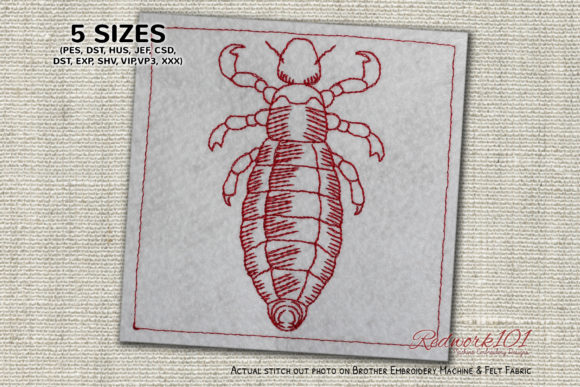
As an embroidery designer who has spent years digitizing files and troubleshooting production runs for small businesses, I approach every new machine embroidery design with a critical eye. It is not just about whether the art looks cute on a screen; it is about how it performs under the needle, how it wears after fifty washes, and how it elevates a brand’s perceived value. Today, I am reviewing Louse Redwork, a design categorized under Bugs, to determine its viability for commercial use in branded merchandise.
My initial impression of Louse Redwork is that it leans heavily into a rustic, handmade aesthetic. The term "Redwork" traditionally refers to simple, single-color stitching, often associated with vintage quilting and folk art. This gives the design an immediate sense of authenticity and warmth. For boutique owners, Etsy sellers, and creative studios, this visual personality is a powerful asset. It does not scream corporate sterility; instead, it whispers artisanal care. However, translating that charm into a professional embroidered patch or uniform accent requires careful technical consideration.
Evaluating Visual Personality and Brand Fit
When considering Louse Redwork for your brand identity, you must ask if the playful yet classic vibe aligns with your customer base. This design works exceptionally well for businesses that want to appear approachable and grounded. Imagine a local bakery using this bug motif on their aprons, or a florist adding it as a subtle detail on tote bags. The simplicity of redwork allows the design to stand out without overwhelming the fabric texture.
However, because it falls under the category of Bugs, context is crucial. For a pet brand or an outdoor gear shop, a louse might need to be framed carefully to ensure it reads as whimsical rather than unappealing. The key lies in the execution. If the lines are clean and the spacing is generous, it becomes a charming graphic element. If the stitch density is too high or the outlines are muddy, it loses its elegance. As a designer, I recommend viewing this as a decorative accent rather than a primary logo for high-end luxury brands, unless your brand specifically celebrates the imperfect beauty of nature.
Performance in Real-World Business Applications
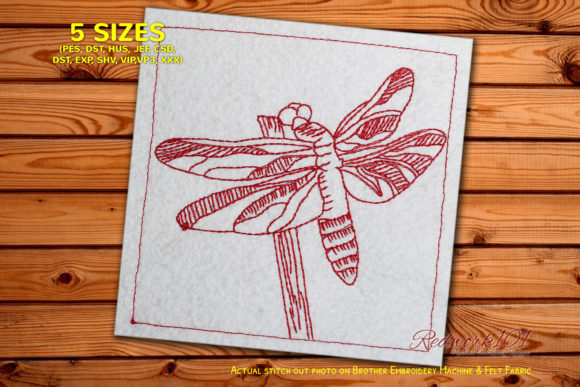
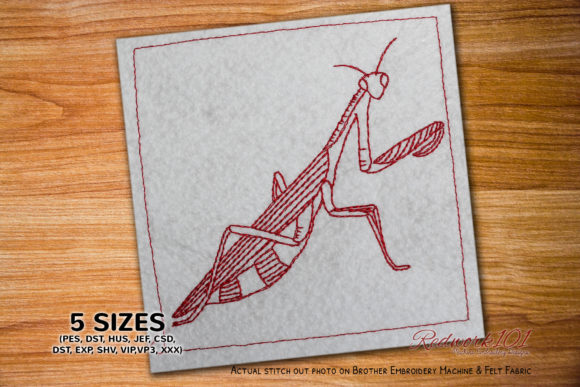
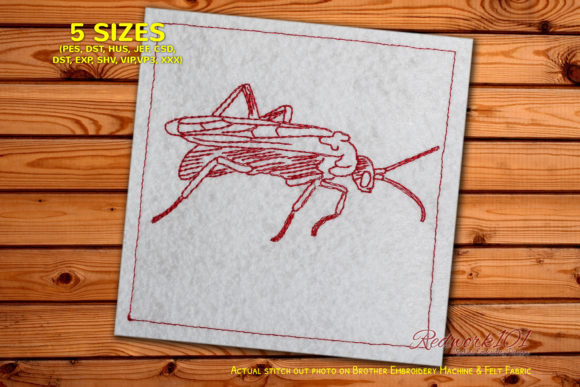
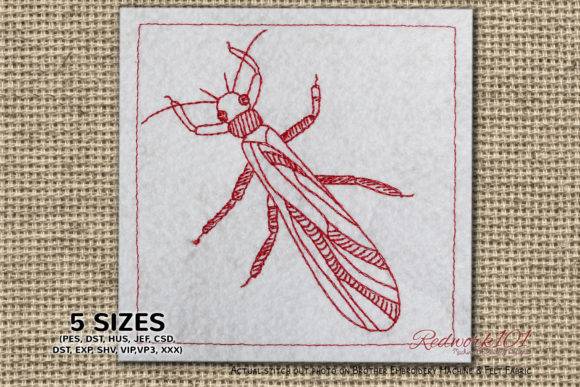
Let us discuss where Louse Redwork truly shines in a commercial setting. The description notes that "The Box Stitch shown in picture is optional," which is a significant advantage for customization. This flexibility allows you to adapt the design for various custom apparel items.
- Apron Embroidery: For cafes and craft studios, placing this design on the chest pocket area of an apron creates a signature look. The optional box can frame the bug neatly, preventing the design from looking lost on larger garments.
- Tote Bag Design: Canvas totes are a staple for small business merch. Redwork styles hold up beautifully on heavy cotton because the simple stitches do not pucker the fabric as aggressively as complex fills. Ensure you use a cut-away stabilizer to maintain shape over time.
- Cap Embroidery: Using this on curved surfaces like baseball caps requires caution. The front panel of a cap has limited space. If you choose to include the optional box, verify that the width fits within standard cap hoops. Often, skipping the box and using just the bug outline yields a cleaner result on curved structures.
- Branded Patches: Creating iron-on or sew-on patches is a lucrative revenue stream. Louse Redwork can be digitized as a merrowed-edge patch. The single-color nature reduces thread changes, speeding up production time for bulk orders.
Technical Considerations and Production Notes
Before you load this digital embroidery file into your machine for a client order, there are several technical factors to address. The product description states, "The color of outer Box is different color in most of the designs unless it is part of the design itself, you can skip the color directly in your mach." This implies that the file may have separate color stops for the box and the bug. You must check your software to see if these are distinct layers. If you are embroidering on dark uniforms, you cannot simply rely on the default red thread. You will need to adjust thread colors for contrast. A bright red on navy blue works, but red on black may vanish. In such cases, consider switching to a lighter tone or adding a satin stitch border if the digitizing allows.
Stitch density is another critical factor. Redwork designs typically use running stitches or simple backstitches. While this reduces bulk, it can sometimes look sparse on textured fabrics like terry cloth or heavy wool. Always test the design on a scrap piece of the actual material you intend to use. Check the spacing between lines; if they are too close, they may merge during washing. If they are too far apart, the design may lack definition from a distance.
Regarding hoop size, since the box is optional, you have flexibility. However, always confirm the maximum dimensions in your embroidery software. Do not assume the design fits a 4x4 hoop just because it looks small. Create a printable mockup at actual size and place it on your garment to visualize the scale. This step prevents costly mistakes when working with client-approved design assets.
Enhancing Customer Trust and Product Value
Using unique designs like Louse Redwork contributes significantly to customer trust. When buyers see consistent, high-quality embroidery on your packaging accents or staff uniforms, they perceive your business as professional and attentive to detail. It transforms a generic item into a handmade product with soul. For Etsy sellers, offering items with this specific motif can help differentiate your shop from competitors using generic clipart.
Moreover, the durability of redwork stitching means your finished product will withstand frequent washing better than dense fill designs. This longevity reinforces brand recognition, as customers continue to wear and use your merch long after purchase. It is a subtle but effective marketing tool.
Final Designer Recommendations
To maximize the potential of Louse Redwork, follow these practical steps before full-scale production:
- Test in Black and White: Before committing to colored threads, stitch the design in black thread on white fabric. This reveals any gaps in the digitizing or issues with line continuity.
- Verify Commercial Licensing: Ensure that your purchase of the embroidery file includes a commercial license. Never assume a free or low-cost download permits resale of finished goods.
- Check Stabilizer Compatibility: Use a tear-away stabilizer for stable woven fabrics and a cut-away for stretchy knits. The wrong stabilizer can cause puckering, ruining the clean lines essential to redwork.
- Compare with Other Assets: Place this design beside your existing logos and graphics. Does it complement your visual language? Consistency builds brand strength.
In conclusion, Louse Redwork is a versatile addition to your library of commercial embroidery designs. It offers a blend of rustic charm and professional simplicity that appeals to modern consumers seeking authenticity. By paying attention to thread contrast, hoop sizing, and fabric compatibility, you can leverage this design to create standout merchandise that enhances your brand’s story. Whether used on a barista’s apron or a shopper’s tote, it serves as a testament to the quality and care inherent in your business.