Dobsonfly Embroidery: A Designer’s Craft Fair Review
As an embroidery designer who has spent countless weekends behind a booth table, I look at every new machine embroidery design through a very specific lens. It is not just about whether the artwork is pretty; it is about whether it will stop a shopper in their tracks, hold up under the harsh lights of a convention center, and survive the wash cycle after being sold as a handmade product. Today, I am reviewing the Dobsonfly design, a piece from the Bugs category that promises to bring a touch of nature’s rugged charm to your inventory.
First Impressions and Visual Appeal
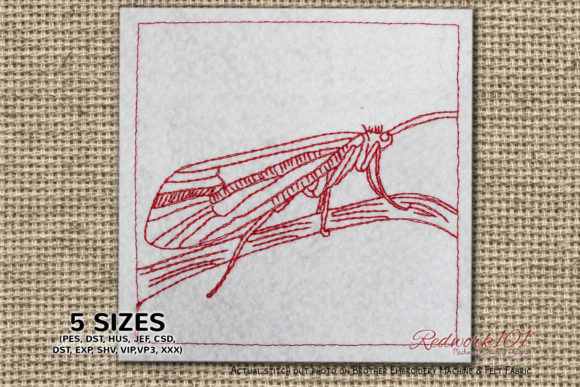
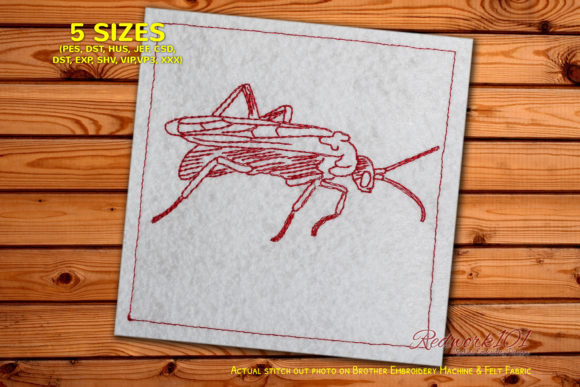
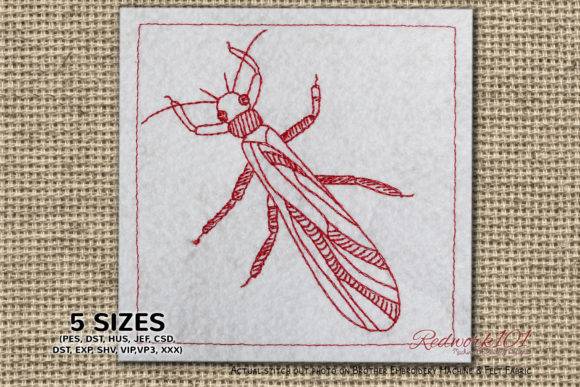
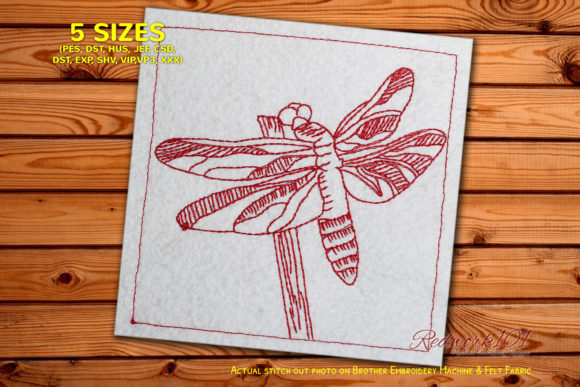
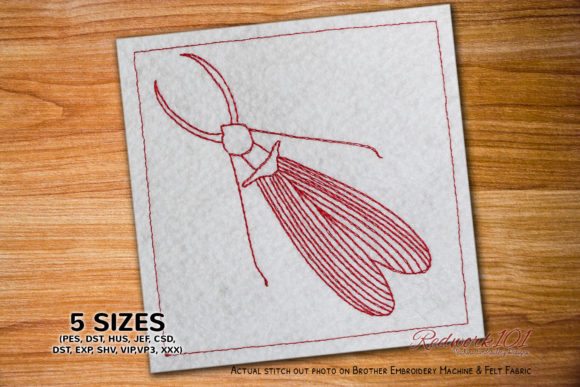
The Dobsonfly is not your typical cute butterfly or delicate bee. It is bold, slightly prehistoric, and undeniably striking. When I first loaded the file into my software, the immediate impression was one of rustic modernity. This design does not scream "farmhouse chic" in the traditional floral sense; instead, it leans into a naturalist, educational, and slightly quirky aesthetic. For craft fair sellers, this is a goldmine because it appeals to a different demographic: the nature lover, the science enthusiast, and the customer looking for something unique rather than mass-produced decor.
The description notes that the Box Stitch shown in the picture is optional. This is a crucial detail for production flexibility. It means you can choose to frame the insect for a more structured, patch-like appearance, or let the Dobsonfly float freely on the fabric for a softer, more organic look. The note regarding the outer box color being different in most designs unless part of the design itself suggests that you should pay close attention to thread contrast. If you skip the color directly in your machine settings, ensure the background fabric provides enough separation so the details do not get lost.
Product Versatility for the Craft Fair Booth
When planning my table display, I always ask: where does this design shine? For Dobsonfly, the versatility is surprising. Here is how I would deploy this embroidery file across various craft fair products:
- Tote Bag Design: This is likely your best seller. A large hoop placement on a canvas tote allows the intricate details of the wings and body to stand out. It transforms a simple bag into a statement piece.
- Apron Embroidery: Positioning the Dobsonfly on the bib of a denim or canvas apron creates a high-value item. It appeals to gardeners and chefs who appreciate durable, stylish gear.
- Tea Towel Embroidery: Use caution here. Ensure the stitch density is appropriate for thin cotton. If the design is too dense, it may pucker the fabric. However, if scaled correctly, it makes for an excellent kitchen accent.
- Embroidered Patch: Because the design has strong outlines, it works beautifully as an iron-on or sew-on patch. This is a low-cost, high-margin small shop product that encourages impulse buys.
- Caps and Hats: The curved surface of a cap is tricky. If the Dobsonfly design is wide, it may distort. I recommend testing it on a structured cap first. If the design is too large, consider resizing it to fit the front panel without wrapping around the sides.
Production Practicalities and Technical Notes
Before you commit to batch production, there are several technical factors to consider. As an experienced designer, I cannot stress enough the importance of testing the digital embroidery file on scrap fabric that matches your final product.
Stitch Density and Fabric Texture: Bugs often require fine details to look realistic. Check the stitch count and density. If you are embroidering on textured towels or thick denim, you may need to adjust the pull compensation. On dark fabric, ensure your thread colors have high visibility. A dark brown Dobsonfly on a navy blue shirt will vanish. Use metallic or bright contrasting threads to make the design pop.
Hoop Size and Stabilizer: Confirm the required hoop size before purchasing. If the design is large, you will need a 5x7 or larger hoop. Always use the right stabilizer. For stretchy fabrics like t-shirts or market bags, a cut-away stabilizer is essential to prevent distortion over time. For woven fabrics like tote bags, a tear-away might suffice, but test first.
Small Details and Clarity: Look closely at the antennae and wing veins. Are they too tiny? If you plan to sell smaller items like pouches, ensure these details do not become a blob of thread. If the design loses clarity at smaller sizes, stick to larger applications like pillow covers or wall hangings.
Marketing and Sales Strategy
For the Etsy seller or boutique maker, the visual appeal of Dobsonfly is a major asset. It photographs well because of its distinct shape. When creating your printable mockup or listing images, show the design in context. Show it on a muddy gardening apron or a tote bag filled with books. This helps the buyer visualize the finished product in their daily life.
This design supports brand consistency if your shop focuses on nature, outdoors, or whimsical handmade goods. It adds strength to your booth display by offering variety. Not every customer wants a flower; some want a beetle. Offering a diverse range of design assets like Dobsonfly shows that you are a thoughtful creator who understands different tastes.
Remember, this is a form of commercial embroidery potential. Before selling, confirm the licensing terms of the digital embroidery file. Most designers allow commercial use for finished physical goods, but always double-check. You do not want to invest time in creating hundreds of tote bags only to find out you are restricted to personal use.
Final Verdict for the Handmade Entrepreneur
The Dobsonfly design is a strong contender for your next collection. It is bold enough to be noticed from three feet away, which is critical in a crowded craft fair aisle. It is versatile enough to work on everything from heavy canvas to soft cotton, provided you manage your stabilizer and thread choices wisely.
To maximize success, create at least one real mockup before listing. Compare fabric colors to see which backgrounds make the Dobsonfly sing. Does it look better on sage green, slate grey, or natural beige? Let the fabric guide your thread selection. By treating this design with the professional judgment it deserves, you can turn a simple bug motif into a standout craft fair product that drives engagement and sales. Keep your production efficient, your quality high, and your displays vibrant, and the Dobsonfly will likely become a staple in your handmade inventory.