Mantis Redwork: A Designer’s Holiday Review
As an embroidery designer who spends countless hours digitizing and testing files for seasonal collections, I approach every new machine embroidery design with a critical eye. It is not just about whether the stitches look good on my screen; it is about how that design performs in the hands of a busy Etsy seller or a crafter preparing for the holiday rush. Recently, I reviewed Mantis Redwork, a charming piece from the Bugs category, to determine its viability for upcoming seasonal product lines. This review is written from the perspective of someone planning real inventory for real customers.
First Impressions and Seasonal Mood
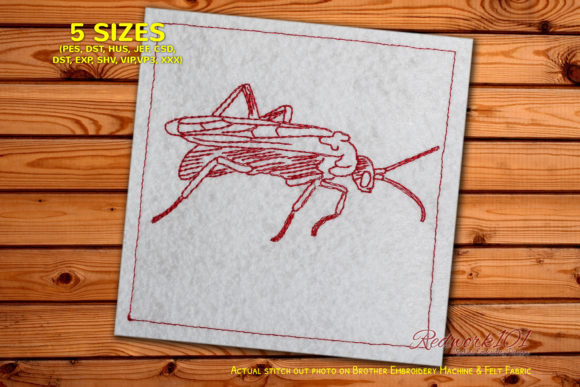
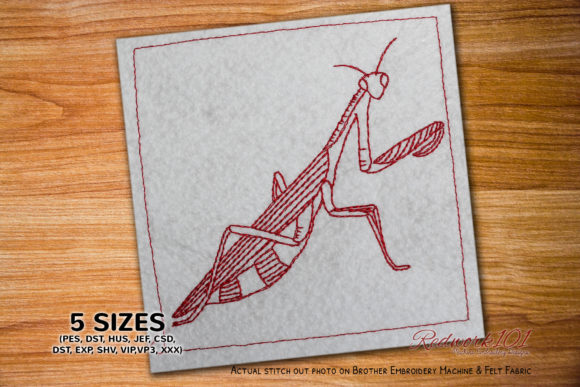
The first thing that strikes you about Mantis Redwork is its deceptive simplicity. In a market saturated with complex, multi-colored holiday motifs, this design offers a breath of fresh air. The redwork style—traditionally using a single color thread on a neutral background—evokes a sense of nostalgia and rustic charm. It feels cozy, reminiscent of vintage kitchen linens and handmade heirlooms. For holiday shoppers seeking authenticity over flashiness, this emotional tone is powerful. It does not scream "Christmas" in the traditional sense of snowmen and trees, but it fits perfectly into a broader winter aesthetic that values warmth, nature, and handcrafted quality.
The detail level is moderate, making it accessible for various skill levels. However, the elegance lies in its restraint. When I visualize this embroidery file on a cream-colored linen towel or a natural cotton tote, it exudes a premium, understated vibe. It is playful enough for children’s items yet sophisticated enough for adult home decor. This versatility is crucial for small business owners who need to maximize the utility of each digital purchase.
Real-World Application for Holiday Selling
When building a seasonal shop collection, versatility is key. I tested the potential of Mantis Redwork across several product categories that typically see a spike in sales during the fourth quarter. Here is how it performs in specific scenarios:
- Sweatshirt Embroidery: Placed on the left chest of a heather grey or oatmeal sweatshirt, the design adds a subtle, trendy touch. It works well for "matching family" sets, offering a cute alternative to standard holiday slogans.
- Kitchen Towel Embroidery: This is perhaps the strongest use case. The redwork style was born for linens. Stitched onto waffle-weave or flour sack towels, it creates an instant handmade gift that appeals to hostesses and home decorators.
- Tote Bag Design: For eco-conscious shoppers, a canvas tote featuring this bug motif paired with a simple phrase like "Gather" or "Harvest" creates a strong visual identity. It serves as both a functional item and a walking advertisement for your brand.
- Pillow Cover and Home Decor: On a burlap or linen pillow cover, the design adds texture and interest without overwhelming the room. It fits seamlessly into farmhouse or cottage-core aesthetics.
- Embroidered Patch: If digitized correctly for smaller hoops, this could be ironed onto denim jackets or backpacks, appealing to a younger demographic looking for unique, non-traditional holiday accessories.
For Etsy listings, the visual appeal of Mantis Redwork translates well into printable mockup graphics. The high contrast of red thread on light fabric photographs beautifully, helping your products stand out in search results. It encourages engagement because viewers can easily imagine the item in their own homes.
Navigating Technical Challenges
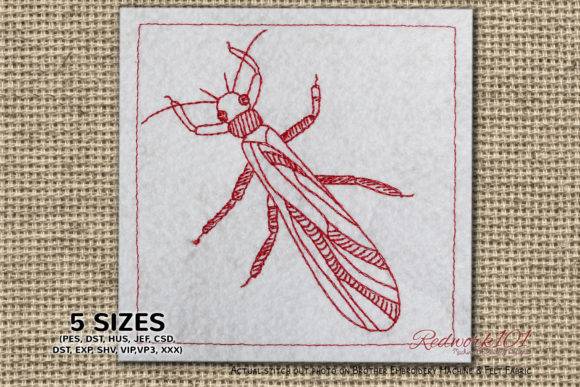
While the design is charming, there are areas where caution is necessary. As a designer, I must advise you to consider the technical constraints before listing these as finished products. The description notes that "The Box Stitch shown in picture is optional." This is a critical detail. If you choose to include the box, ensure the stitch density does not become too high for lightweight fabrics like silk or thin cotton, which could cause puckering.
Additionally, the note states, "The color of outer Box is different color in most of the designs unless it is part of the design itself, you can skip the color directly in your machine." This implies flexibility but requires attention. If you skip the box color, ensure the transition between the mantis and the background is clean. On dark fabric, red thread may not pop as effectively as it does on white or cream. I recommend testing thread colors extensively. A deep burgundy might offer better sophistication on darker textiles, while a bright cherry red shines on whites.
Be mindful of hoop size limitations. If you are stitching on curved caps or small baby items, ensure the design scales down without losing definition. Tiny details in the mantis legs or antennae could merge if the resolution is too low or the needle size is too large. Always use a proper stabilizer appropriate for your fabric texture. Cut-away stabilizer is generally safer for garments that will undergo repeated washing, ensuring the finished product maintains its shape and integrity.
Enhancing Brand Value and Customer Trust
Incorporating Mantis Redwork into your lineup can significantly enhance your brand’s perceived value. Customers associate redwork with tradition and quality. By offering this design on premium blanks, you signal that you care about craftsmanship. It builds trust because the design is timeless; it will not look dated next year. This longevity encourages buyers to invest in higher-priced items, knowing they are purchasing something enduring.
For commercial embroidery purposes, this design allows for creative bundling. Imagine a "Cozy Winter Bundle" featuring a towel, a mug cozy, and an ornament all featuring the same mantis motif. This increases average order value and provides a cohesive look for social media previews. It also simplifies your production process, as you are mastering one design across multiple items.
Practical Designer Notes for Implementation
Before you launch your holiday campaign using this digital embroidery file, take these practical steps:
- Test on Both Light and Dark Fabrics: Verify visibility and contrast. Adjust thread shades if necessary to maintain the redwork aesthetic.
- Check Stitch Density: Run a test stitch-out to ensure the fabric does not pucker, especially if using the optional box stitch.
- Confirm Hoop Size: Ensure the design fits comfortably within your standard hoops without requiring excessive re-hooping.
- Review Small Details: After stitching, inspect the fine lines of the mantis. Trim any jumps or loose threads meticulously for a professional finish.
- Plan Matching Color Palettes: Curate a collection of blanks in creams, whites, greys, and natural tones to complement the red thread.
- Verify Licensing: Although this is a review, always confirm the commercial licensing terms provided with the file before selling any small shop product derived from it.
Note that specific technical data such as exact stitch count, file format compatibility, or precise hoop dimensions were not provided in the initial product description. Therefore, I strongly advise downloading a sample or checking the vendor’s detailed specifications before committing to large-scale production. Understanding whether the file is optimized for specific machines can save you hours of troubleshooting.
Final Verdict for Holiday Collections
Mantis Redwork is a standout choice for artisans looking to add a touch of whimsical elegance to their holiday offerings. It bridges the gap between playful bug-themed embroidery and sophisticated seasonal decor. Its strength lies in its adaptability and emotional resonance. Whether used for a personalized gift for a nature lover or as part of a larger home decor collection, it delivers consistent quality and visual appeal. By paying attention to fabric choice and stabilization, you can transform this simple design into a best-selling item that customers cherish for years to come.