Floating Goldfish: A Designer’s Review for Brand Merch
As an embroidery designer who has spent years digitizing artwork for small businesses, I approach every new machine embroidery design with a critical eye. It is not just about whether the image looks cute on a screen; it is about how that image translates to fabric, thread, and ultimately, the brand identity of my clients. Recently, I reviewed the Floating Goldfish design, and I want to share my professional assessment for shop owners, Etsy sellers, and apparel decorators considering this asset for their product lines.
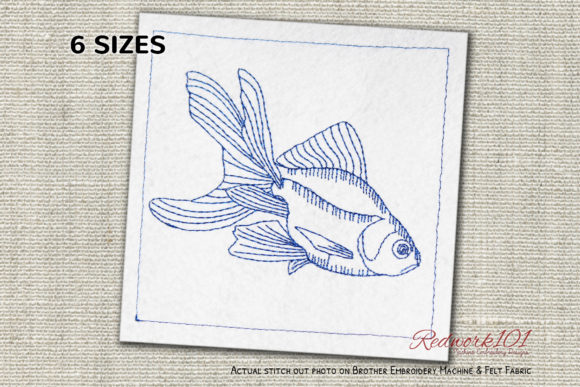
The first impression of Floating Goldfish is one of playful elegance. It strikes a balance between whimsical charm and clean, professional execution. For brands in the creative sector—such as boutiques, bakeries, florists, or pet supply shops—this aesthetic is invaluable. It feels handmade yet polished, which is exactly what modern consumers look for when purchasing custom apparel or branded accessories. The design does not scream for attention with chaotic details; instead, it offers a friendly, approachable vibe that enhances customer trust and engagement.
Real-World Applications for Small Business Merch
When evaluating a digital embroidery file, I always ask: where does this belong? Floating Goldfish is versatile, but its true strength lies in specific applications within small business merch. Here is how I envision this design performing in a commercial setting:
- Embroidered Patches: This is perhaps the strongest use case. The design works beautifully as a standalone patch that can be ironed or sewn onto denim jackets, canvas bags, or hats. Patches allow customers to buy into a brand without committing to a full garment, increasing average order value.
- Apron Embroidery: For cafes, bakeries, and craft studios, staff uniforms are walking billboards. Placing Floating Goldfish on the chest pocket or lower corner of an apron adds a touch of personality that makes staff feel part of a cohesive, creative team.
- Tote Bag Design: Canvas tote bags are a staple for eco-conscious brands. The organic flow of a fish motif complements the natural texture of canvas perfectly, creating a finished product that feels premium and thoughtful.
- Cap Embroidery: A smaller version of this design can serve as a subtle side-panel accent or a front-center logo for creative agencies and local shops. It breaks the monotony of text-only caps.
For Etsy sellers and handmade brands, using Floating Goldfish as a consistent visual element across different products helps build brand identity. When a customer sees the same high-quality embroidery on a mug cozy, a shirt, and a patch, it reinforces recognition and perceived value.
Technical Considerations and Production Notes
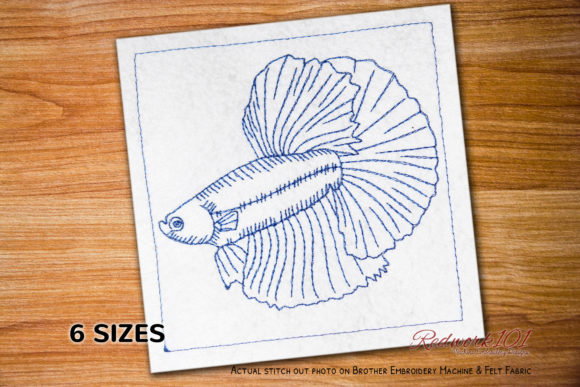
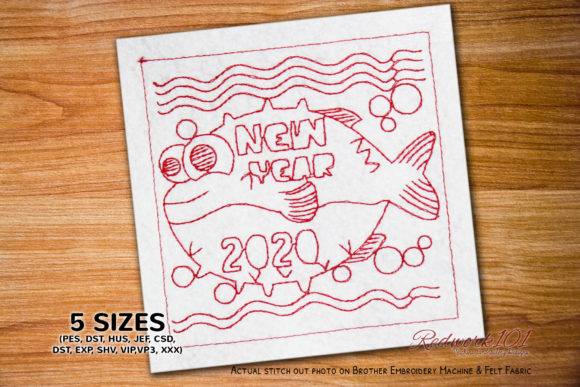
While the artistic merit of Floating Goldfish is clear, the technical execution requires attention to detail. As noted in the product description, "The Box Stitch shown in picture is optional. The color of outer Box is different color in most of the designs unless it is part of the design itself, you can skip the color directly." This flexibility is a double-edged sword that requires careful management during production.
If you choose to include the box stitch, ensure that the thread color contrasts sufficiently with both the background fabric and the fish design itself. If the box is meant to frame the design, it should not compete with the main subject. In many cases, skipping the box color entirely, as suggested, results in a cleaner, more modern look that integrates better with varied fabric textures. Always review your thread colors against your specific fabric swatches before running a full production batch.
Another critical factor is stitch density. Fish designs often involve curved lines and smooth gradients. If the digitizing is too dense, the fabric may pucker, especially on lighter materials like cotton tees or silk blends. Conversely, if the density is too low, the underlying fabric might show through, ruining the professional finish. I recommend testing the design on a scrap piece of your actual production fabric with the appropriate stabilizer. For caps and curved surfaces, a stiff cut-away stabilizer is usually necessary to maintain shape, while tear-away stabilizers may suffice for flat tote bags.
Navigating Challenges in Custom Apparel
Not every surface is ideal for every design. When using Floating Goldfish for custom apparel, be mindful of scale. On very small items, such as baby clothes or narrow collar stays, the intricate details of the fins or tail might get lost or cause needle breaks due to tight turns. Always confirm the recommended hoop size provided with the file. If the documentation does not specify exact stitch counts or hoop limitations, reach out to the vendor or test multiple sizes to find the sweet spot where clarity meets durability.
Dark uniforms present another challenge. If you are embroidering on navy or black fabrics, ensure the design uses bright, opaque threads. Metallic gold threads can add a luxurious touch that aligns with the "Goldfish" name, but they can be fragile and prone to breaking at high speeds. For high-volume commercial embroidery jobs, standard rayon or polyester threads in vibrant yellows and oranges may offer better durability and cost-efficiency while still capturing the visual spirit of the design.
Enhancing Brand Value Through Quality
Ultimately, the goal of adding embroidery to your products is to elevate them. A well-executed Floating Goldfish tells your customers that you care about quality. It transforms a generic item into a handmade product with soul. For businesses selling printable mockups or digital assets, including this design in your portfolio can attract clients looking for unique, non-corporate branding elements.
To maximize the impact of this design, create a printable mockup or a physical sample kit. Show potential clients how the fish looks on different materials—denim, canvas, twill, and jersey. Visual consistency across these materials proves that your brand can handle diverse production needs. Compare Floating Goldfish beside other design assets in your library to ensure it complements your existing style guide. Does it clash with your primary logo, or does it serve as a perfect secondary icon?
Before finalizing any commercial project, always confirm the licensing terms. Ensure that the embroidery file you purchase includes commercial use rights if you intend to sell the finished goods. This protects your business from legal issues and ensures you are supporting the original artist.
In conclusion, Floating Goldfish is a strong contender for small businesses looking to add character to their merchandise. It is not just a picture of a fish; it is a tool for storytelling. Whether used on a barista’s apron, a shopper’s tote, or a boutique’s promotional patch, it delivers a message of creativity and care. By paying attention to technical details like stabilizer choice, thread contrast, and scale, you can ensure that every stitch contributes to a professional, high-value final product. For embroidery shops and designers, this file represents an opportunity to expand their catalog with a design that is both commercially viable and aesthetically pleasing.